Jul/100
What type of eater are you? Type 1: The Meal Stuffer
Stay tuned in the next few days for more types of eating habits. In the meantime, visit us at www.thebodyfirmaz.com.
Each day you make well over 200 decisions about food, according to Brian Wansink, PH.D. in his book, Mindless Eating. Your weight is the sum total of your past food decisions.
According to Wansink, overeating can be greatly reduced simply by removing the cues in your environment that cause you to overeat. He goes on to explain the top 5 Diet Danger Zones and the solutions for each:
1. The Meal Stuffer: At mealtime you really stuff yourself. You clean everything off your plate, eat quickly and often go back for seconds. You consider yourself to have a “healthy appetite” and often feel uncomfortably full after eating.
- Use the Half-Plate Rule: fill half of your plate with vegetables and the other half with protein and starch.
- Use smaller plates and wait 20 minutes before deciding if you want seconds.
- Eat slower so your appetite can catch up with what you’ve already eaten.
- Don’t place serving dishes on the table. Pre-plate your food and then put the rest out of reach.
Jun/100
Biking and Health Benefits Uncovered
A recent article by CNN has linked biking to slower weight gain, especially in pre-menopausal women. The study mentioned in the article noted the women who biked for just five minutes each day gained significantly less weight over a 20-year period.
Biking might be the easiest form of cardio to fit in your daily routine. Bike to work, to the gym or to the grocery store. Cycling is not only an alternate form of transportation, but also a fun way to get outdoors.
Try one of our cycling sprint interval programs at The Body Firm.
Jun/100
Cancer Prevention Through Healthy Living
We all have been affected by cancer. Whether we know someone who has been diagnosed, or you have experienced it personally, it is a threat to millions of Americans. In speaking with many people who have cancer or other health concerns, they have found tremendous success in turning to a healthy lifestyle.
Cutting out refined sugar, alcohol and processed foods has been shown to support doctor’s efforts in combating cancer. According to the American Cancer Society, there are many contributing factors to patients lingering illnesses. While it may take a conscious effort to change your lifestyle, it is surely worthwhile.
One interesting fact from the American Caner Society’s website:
Does being overweight increase cancer risk?
Yes. Being overweight or obese is linked with an increased risk of cancers of the breast (among women after menopause), colon, endometrium, esophagus, kidney, and possibly other sites as well. Although research on whether losing weight reduces cancer risk is limited, some research suggests that weight loss does reduce the risk of breast cancer. Because of other proven health benefits, people who are overweight are encouraged to lose weight. Avoiding excessive weight gain in adulthood is important not only to reduce cancer risk but also to reduce the risk of other chronic diseases.
For help changing your lifestyle come in to The Body Firm today.
Jun/100
Lose Weight, Not Your Determination
Pounds have added up over the years, slowly accumulating on your hips, thighs and belly.
When you look in the mirror you don’t like what you see. Yet you feel stuck.
You’re stuck because…
- You’ve gained too much weight to ever lose it all.
- You’re too old to make a change.
- You’d be lost in a gym.
- You simply don’t know where to start.
And so, if you are like most people, you give up on yourself before you ever shed a pound. The enormity of your goal paralyzes your ability to even begin.
I believe you can end this cycle of self destruction by simply focusing on the mole hills that make up the mountain – rather than focusing in on the mountain itself.
Don’t get me wrong, I know that weight loss can seem like an enormous task – especially when you have 20, 50 or even 100 pounds to lose.
However, rather than being discouraged by the mountain of fat you need to lose, conquer the mole hill of losing one single pound each week.
In fact, make it your weekly mole hill to drop one pound a week.
Doesn’t that sound easy? If you did this consistently for one year you would lose 50 pounds.
So how do you shed a pound a week? Simple. Just burn 3500 extra calories.
Create a 3500 calorie deficit each week by a combination of increased calorie exertion (exercise) and a decrease in calories consumed (eating less).
Take every opportunity to exert more calories by increasing your physical activity and to decrease your calorie consumption by eating fewer calories and by making healthier choices.
It helps to record your progress in a notebook and refer back to it. You will be surprised how encouraging it is to see your weekly progress written down on paper.
Remember, if you lose 500 calories a day you will drop a pound in a week.
Check out our website for help reaching your goal, whatever it may be.
Jun/100
Photo Motivation
Having trouble with motivation? Try this technique:
- Go through your photo albums and find a picture of yourself in your best shape ever. It may be a photo from your college or even high school days.
- Now go through your photos and find a picture of yourself in your worst shape ever. You may have to go through old shoe boxes of photos, since this photo may not have made it into your photo albums.
- Place the two photos side by side. You at your fittest; you at your fattest. Study the photos. Remember what it felt like to be in great shape. Remember what it felt like to be in terrible shape (you may be living that right now).
- Make a decision. Do you want to continue living your life in bad shape? Or will you shake off past failures and do what it takes to achieve the body you once had?
Share your two photos with us. We will help you get back to the great body that you once had.
Jun/100
NEW Salmon Recipe

It’s barbeque season, and what better to throw on the grill than a tender fillet of salmon? Salmon is full of healthy omega-3 fatty acids and B vitamins. In addition to the health
benefits, this salmon recipe packs a sweet and tangy flavor that is sure to please.
Servings: 2
Here’s what you need:
- 1 fillet of fresh Salmon
- 1 cup Lite Soy Sauce
- 2 tablespoons fresh minced Ginger
- 1/2 cup Agave Nectar (or Honey)
- Combine the Soy Sauce, Ginger and Agave nectar. Place the Salmon in a pan andcover with the Soy marinade for 1 hour in the fridge.
- Prepare your grill. If desired, soak a cedar plank to barbecue the Salmon on.
- Grill over medium heat until cooked through and flaky.
Nutritional Analysis: One serving equals: 300 calories, 12g fat, 8g carbohydrate, .5g fiber, and 40g protein.
Spread the word here.
Jun/100
Practical Ways to Lose Weight
Here are some practical ways to lose calories:
| If you normally… | Do this instead… |
| Drink a mocha | Drink plain coffee or tea (250 calories lost) |
| Eat a snack from a vending machine | Enjoy an apple (180 calories lost) |
| Hit the snooze button in the AM | Jog for 30 minutes before work (150 calories lost) |
| Skip your workout
For more healthy substitutions visit us at The Body Firm. |
See me for an invigorating workout (changes your life!) |
Jun/100
Reason #1 to Get Fit: Melt Fat Away

Reason #1: To Melt Fat Away
The most coveted side effect of exercise is, of course, fat burn. The combination of a challenging exercise routine and a balanced meal plan is the best known way to lose fat. Here’s what losing fat feels like:
- Your pants become loose
- People around you begin to say that you look great
- A glance at yourself in the mirror makes you smile
- Your energy levels soar
- You feel amazing
Visit us today at The Body Firm.
May/100
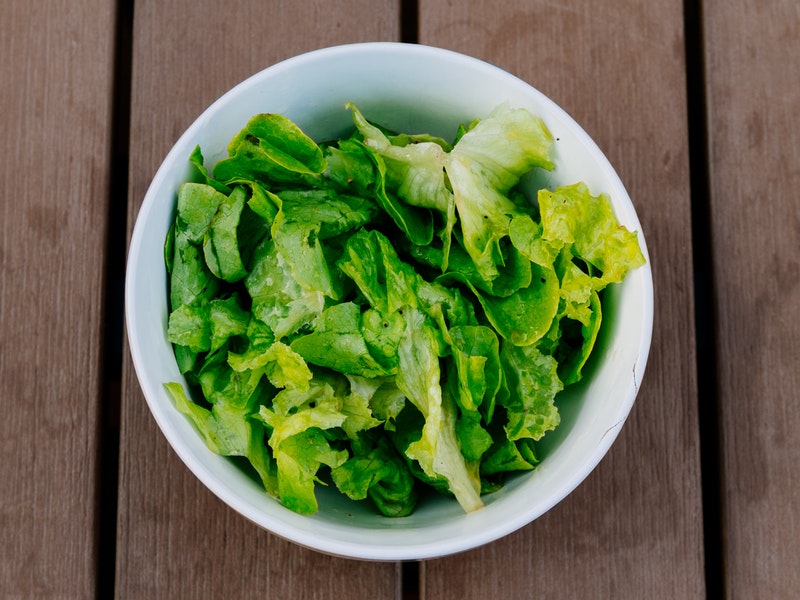
Frisee Salad
Try this flavorful salad recipe courtesy of The New York Times.
For the dressing: 2 tablespoons sherry vinegar or champagne vinegar
1 teaspoon balsamic vinegar
Salt and freshly ground pepper to taste
1 teaspoon Dijon mustard
1 small garlic clove, finely minced or pureed
1/4 cup extra virgin olive oil
2 tablespoons walnut oil
For the salad:
2 heads frisée (just the tender white inner parts), broken up, or a 6-ounce bag mixed salad greens
1 tablespoon chopped fresh chives
1 tablespoon finely chopped flat-leaf parsley
Salt to taste
3/4 pound green beans, trimmed
2 teaspoons finely chopped fresh tarragon
1/2 cup shelled walnuts, coarsely chopped or broken up (8 walnuts)
Sliced or whole radishes for garnish (optional)
1. In a small bowl or Pyrex measuring cup, whisk together the vinegars, salt, pepper, mustard and garlic. Whisk in the oils, and set aside.
2. In a large bowl, toss together the frisée or lettuces, the chives and the parsley. Set aside.
3. Bring a large pot of water to a rolling boil. Fill a bowl with cold water. When the water comes to a boil, salt generously and add the green beans. Boil for four minutes, and transfer to the cold water just to stop the cooking, then drain and dry on a towel.
4. Toss the lettuce with 3 tablespoons of the dressing and arrange on a platter, in a wide salad bowl or on plates. Place the remaining dressing in a medium skillet, and add the nuts. Heat through, stirring over medium heat, and add the green beans and tarragon. Stir together until the beans are coated with dressing, and arrange over the salad greens. Drizzle on any dressing remaining in the pan. Garnish with sliced or whole radishes if desired, and serve.
Yield: Serves four to six.
Advance preparation: The beans can be blanched a day or two ahead and refrigerated. Reheat by plunging into boiling water for a few seconds, then drain and toss with the hot salad dressing as instructed.
Nutritional information per serving (based on four servings): 300 calories; 29 grams fat; 3 grams saturated fat; 0 milligrams cholesterol; 10 grams carbohydrates; 5 grams dietary fiber; 43 milligrams sodium (does not include salt added during cooking); 4 grams protein
May/100
New Ahwatukee Magazine Article
Check out our article in the latest issue of Ahwatukee Magazine!
Copies are available at The Body Firm.